ACD comments on the revised EPA Clean Water Act hazardous substance response plans
Key Highlights
- The ACD submitted comments regarding the EPA’s reconsideration of the Clean Water Act Hazardous Substance Facility Response Plans.
- The ACD believes that current RQ multiplier of 1,000 should be changed to 10,000.
- The ACD recommends that the EPA establish a de minimis container size of 330 gallons or smaller.
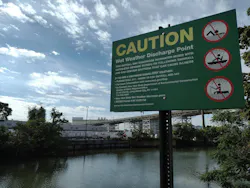
The Alliance for Chemical Distribution (ACD) submitted comments to the U.S. Environmental Protection Agency (EPA) as it reconsiders the Clean Water Act (CWA) Hazardous Substance Facility Response Plans (HSFRP).
The first of two questions posed by the EPA in this Advanced Notice of Proposed Rulemaking (ANPRM) regards which reportable quantity (RQ) multipliers the Agency should consider and whether a different approach should be used to determine whether a facility meets the threshold quantity.
The ACD supports the EPA’s RQ multiplier approach, but with caveats. Using a multiplier places greater attention and scrutiny on chemicals with a higher risk to navigable waterways, while leveraging existing regulations that facilities are already familiar with. This effectively targets facilities that pose the highest risk to navigable waterways.
The ACD believes that current RQ multiplier of 1,000, however, defeats the purpose of implementing a multiplier approach, as it sets a threshold so low that it does not adequately narrow the rule’s scope to the most at-risk facilities. The ACD recommends a multiplier of 10,000.
The ACD does not support the EPA’s consideration to apply one threshold to all substances. While this would improve the simplicity of the rule, it would require the EPA to either adopt a low threshold that creates an extremely large universe of facilities, including those with modest amounts of substances that pose a low risk of harm to navigable waters, or adopt a high threshold that does not adequately include facilities with smaller amounts of substances that are particularly hazardous.
Instead, the ACD recommends that the EPA change the applicability of the criterion to apply only to the largest container onsite, instead of to a facility’s entire quantity. Also, the ACD recommends that the EPA shift its focus to specific hazardous substances that pose the greatest risk to navigable waterways.
The second question posed by the EPA is whether to include de minimis container sizes and/or concentration levels. ACD supports adopting de minimis container sizes and concentration levels. This approach will add simplicity for facilities and increase this rule’s focus on facilities presenting the greatest potential risk.
Including small containers such as 55-gallon drums and 330-gallon totes in threshold determinations does not provide a meaningful basis for risk evaluation. Instead, the ACD suggests that focus should remain on large containers that pose a greater risk of discharge into navigable waters.
For this reason, ACD recommends that the EPA establish a de minimis container size of 330 gallons or smaller. This change would also significantly simplify threshold determination for facilities, as the number of these smaller containers onsite is often in flux and can be difficult to calculate.
In the comments, ACD Senior Vice President of Government Affairs Brian Callahan warned of the program’s broad scope and duplicative nature, which would place additional regulatory burdens on facilities already in compliance.
“While this new program intends to effectively improve the safety of facilities and surrounding navigable waters, we fear that, as written, it would significantly harm facilities with an overly broad scope and duplicative requirements. To best meet the Agency’s goals, we believe the EPA should focus this program on facilities that have the greatest potential for significant incidents and provide facilities covered by multiple programs with the opportunity to streamline duplicative regulatory obligations. This will make the most of the EPA’s resources and ensure the right facilities are scrutinized.”
Callahan also encouraged the EPA to reconsider the program’s implementation timeline.
“It is critical that in any future proposal the EPA issues to revise the CWA HS FRP program, the Agency consider further delaying compliance dates and provide the public with the opportunity to offer feedback on what delay may be appropriate.”