Proposed wastewater bill supports advanced treatment technologies
Key Highlights
- A proposed Advanced Wastewater Treatment Assistance Act has been introduced to help upgrade wastewater systems.
- The $1 billion, 5-year federal grant program will help water utilities deploy advanced treatment technologies.
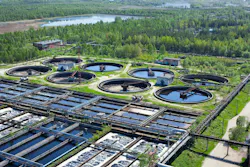
The bipartisan Advanced Wastewater Treatment Assistance Act of 2026 has been introduced by Representatives Haley Stevens (D-MI) and Brian Fitzpatrick (R-PA) to help communities upgrade wastewater systems, address emerging contaminants like PFAS, and keep water bills affordable.
The act would create a 5-year federal grant program to help water utilities deploy advanced treatment technologies—such as granular activated carbon and reverse osmosis—that remove difficult pollutants, like PFAS. These treatment technologies also help prevent harmful algal blooms that threaten the Great Lakes. Specifically, the bill would:
- Authorize $1 billion over five years for advanced wastewater treatment projects across the country, covering up to 50% of project costs.
- Direct at least 49% of funding to communities that do not have the financial resources to replace infrastructure on their own and waive cost-share requirements for those recipients.
- Cap administrative costs at 1% for the EPA and participating states.
- Launch a national study evaluating how effectively advanced treatment technologies remove contaminants such as PFAS.
This legislation is endorsed by the National Association of Clean Water Agencies and the Michigan Rural Water Association.